When the Line Freezes: A Live-Betting Guide to Injury News, Market Pauses, and Noise
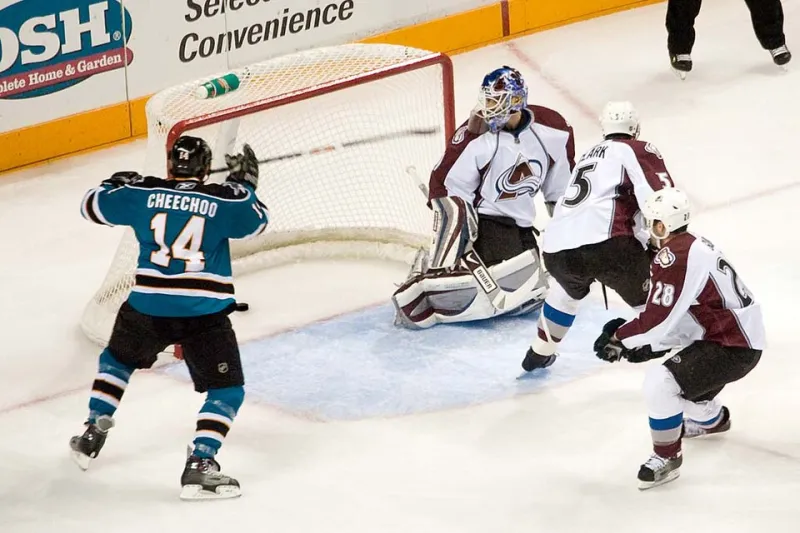
Photo: Elliot, CC BY 2.0, via Wikimedia Commons
A quarterback walks to the medical tent. A star guard rolls an ankle and stays on the floor. The live market freezes, the cash-out number jumps, and every screen in the sportsbook seems to refresh at once. That is the moment live bettors love and fear. At K89Bet Live, the useful question is not who clicks fastest. It is whether the pause is telling you something real or just making noise.
The freeze is not the signal
A line freeze is a pause, not a prediction. Sportsbooks stop taking bets when they need to reprice after new information. Sometimes that information is official: an injury report, a bench decision, a rules review, a weather update. Sometimes it is unconfirmed: a sideline reporter's tone, a social post, a player limping between plays. Sometimes it is pure momentum, which is not information at all.
Live odds are built to move. The edge is in classifying the pause before you act. Reacting first often means paying the worst price in the market. Reacting well means knowing which pauses deserve a bet and which deserve a pass.
Information-driven pauses
An information-driven pause has a clear source and a clear effect on the game. In the NFL, that might be a starting quarterback being ruled out, a left tackle going down, or a team announcing that its top running back will not return. In the NBA, it might be a star picking up a third foul before halftime, a point guard heading to the locker room, or a coach changing the defensive matchup.
Those events change the projected score, pace, and spread. The market should move. The question is whether it has moved too far. If a football line jumps from -3 to -6 after an injury, the backup's value is already partly priced in. You are not betting against the injury anymore. You are betting against the market's estimate of the backup, the coaching adjustment, and the game script.
Noise-driven pauses
Noise-driven pauses look urgent but lack a reliable cause. A player limps after a normal tackle and returns on the next series. A crowd reacts to a big play and the live line twitches. A broadcaster speculates about a benching that never happens. A basketball player goes to the tunnel for a quick tape job and comes back before the next timeout.
These moments can create brief windows, but they are not the same as confirmed news. If you chase every twitch, you end up paying Vig for adrenaline. The market may look slow, but it is often just waiting for the same confirmation you should be waiting for.
Reading repricing without chasing steam
Steam is fast money moving a line. Chasing steam means jumping on a number after it has already moved because you are afraid of missing out. In live betting, that fear is expensive. A repriced line already contains the market's reaction. Your job is to compare the new number to your own estimate, not to the old number you wish you had taken.
A simple habit helps: write down the pre-pause line, the new line, and the reason for the move. If the reason is official and the move is smaller than you expected, there may be value. If the reason is official and the move is huge, ask whether the market has overcorrected or whether you are late. If the reason is unconfirmed, wait. You are not required to bet every freeze.
Cash-out shifts are not free money
Cash-out offers can move sharply during a pause because the sportsbook is repricing risk in real time. A cash-out number that jumps or drops is not a verdict on your bet. It is a product with a margin built in. Check the underlying market first. If the live line has moved past your original edge, cashing out may be reasonable. If the pause was noise and the line resets, cashing out in a panic can lock in a bad result.
Treat cash-out as one option, not the emergency exit. The number should make sense against the current line, the time remaining, and the score situation.
A repeatable pre-bet checklist
Use the same process every time the market freezes:
- Confirm the source. Is this official team news, a league update, a sideline report, or social speculation?
- Check the market state. Is betting still paused, partially open, or fully repriced?
- Compare the new line to the pre-pause line and to your own projection.
- Check the cash-out shift only after you understand the live line.
- Wait one possession or one dead-ball window when the news is unconfirmed.
- Decide before the next score, not after the crowd reacts.
- Pass if the only reason to bet is that the line is moving.
That last point matters. A live market is designed to make movement feel like opportunity. Sometimes it is. Often it is just the cost of acting before the picture is clear.
NFL and NBA examples
In the NFL, a quarterback injury is the classic information pause. The backup's ability, the team's run-pass ratio, and the game script all change at once. A running back injury is narrower. The market may overreact to a backup's first carry, especially if the team prefers a committee. In the NBA, foul trouble is a live-betting puzzle. A star with three fouls may sit, but the market sometimes prices it as if he is already out of the game. Check the substitution pattern before you assume the worst.
In both sports, the best pause is the one where the news is real but the repricing is slow. The worst pause is the one where the news is vague and the market is loud.
Bottom line
The live-line lag is not a race. It is a reading test. Confirm the information, judge the repricing, and ignore the noise. K89Bet Live covers live odds and market movement, but discipline beats speed every time. If a freeze does not give you a clear reason to bet, the smartest move is often to let the market settle and keep your bankroll intact.