Swiped and Void: The 2026 Holiday Deposit-Method Audit for Live-Dealer Bonuses
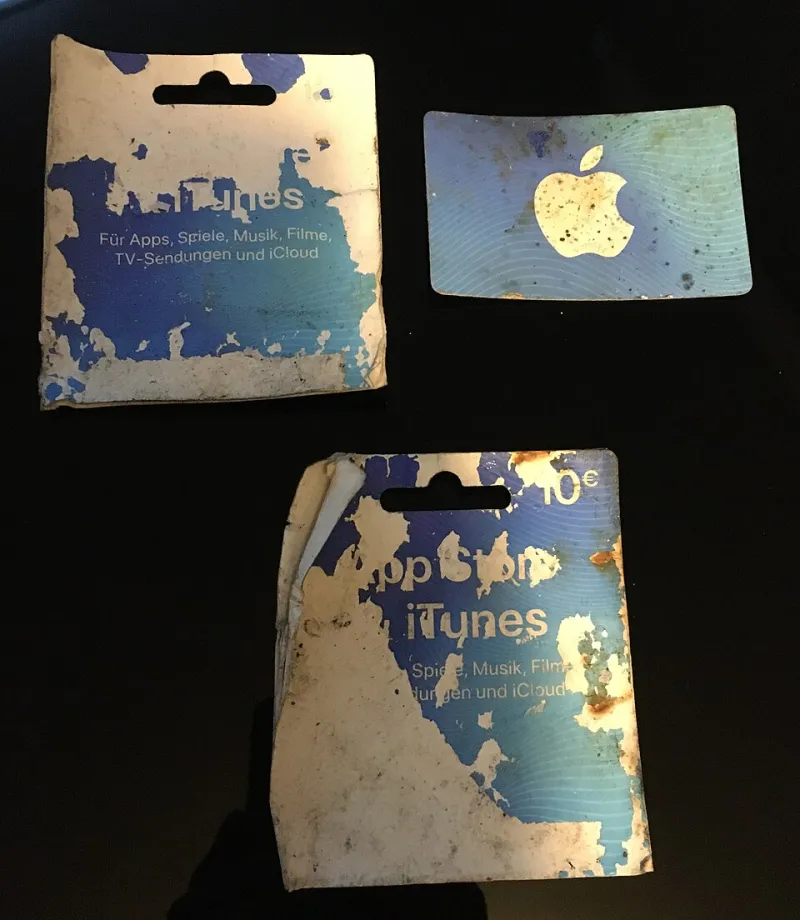
Photo: Pittigrilli, CC BY-SA 4.0, via Wikimedia Commons
Every December, the same scene plays out. Someone unwraps a stack of prepaid cards, sees a holiday promo email with a fat match percentage, and figures the two things belong together. Then the live-dealer table loads, the first hand runs, and the bonus balance starts behaving strangely, or vanishes.
The culprit usually is not the game. It is the funding method.
Live-casino bonuses are built on a simple assumption: the money entering the account is clean, traceable, and owned by the person clicking opt-in. Holiday deposit methods break that assumption in a dozen small ways. Prepaid cards look like cash. Peer transfers look like a friend helping out. Gift cards look like gifts. Bonus engines, meanwhile, are looking for reasons to flag all three.
The Match Percentage Is the Ad; the Deposit Rail Is the Contract
Promo pages lead with the headline number. Terms pages bury the sentence that matters: which payment methods count.
That sentence can do three different things. It can exclude a method from bonus eligibility. It can accept the deposit but refuse to count it toward playthrough. Or it can accept everything and then hit you with a withdrawal restriction later. None of those outcomes show up in the promo banner.
For live-dealer play specifically, the stakes are higher. Live tables often contribute less to wagering requirements than slots, and some games are excluded outright. If the deposit itself is also ineligible, the bonus is not a bonus. It is a paperwork trap with a countdown.
The Usual Suspects
Prepaid and gift cards top the list. Visa and Mastercard gift cards, Vanilla cards, retail-branded prepaid cards: they are convenient and they are everywhere during the holidays. They also tend to be classified as cash equivalents. Many bonus terms exclude cash-equivalent deposits because they are hard to reverse and easy to pass around. A casino might accept the deposit for play. That does not mean it will honor the bonus attached to it.
E-wallets and peer-to-peer apps sit in a gray zone. PayPal, Venmo, and Cash App are common in the US, and their treatment varies wildly by operator. Some terms exclude e-wallets from bonus play entirely. Others allow them but require the wallet name to match the casino account name exactly. A deposit from a partner's Venmo, even with the best holiday intentions, can read as third-party funding.
Crypto gets its own paragraph in most terms. Some operators welcome it for deposits but restrict it for bonus wagering or withdrawals. Others treat it as a separate category with separate limits.
Cash-voucher deposits at retail have their own verification path, and the rules can change by state. The common thread is not that these methods are bad. It is that they are not interchangeable, and the bonus engine knows the difference.
The Name-Match Trap
Here is the holiday scenario that causes the most headaches. A relative gives you a prepaid card. You deposit it. The card does not carry your name in the same way a bank account does. Verification asks for proof of ownership. You produce the card and the receipt. Support asks for more. Meanwhile, the bonus clock is running.
The same thing happens with a spouse's debit card or a shared household account. Bonus terms usually require the deposit method and the casino account to share an identity. A gift is not an identity match. A shared card is not a name match. The account can end up restricted before the first live hand is dealt.
The Withdrawal Handcuff
Even when a deposit is accepted, the withdrawal side can bite. Many operators require you to withdraw through the same method you used to deposit, or through a method that has been verified in your name. You cannot withdraw to a gift card. Prepaid cards often cannot receive funds. That leaves players waiting on a manual review or switching methods midstream, which can trigger another round of verification.
Holiday timing makes this worse. Support queues get longer, bank holidays interrupt processing, and a routine review that takes a day in October can take a week in late December. The bonus might be long gone by the time the withdrawal clears.
A Pre-Opt-In Checklist
Before you claim any holiday live-casino offer, run this list.
- Read the eligible payment methods section of the bonus terms. Look for the word excluded and read the sentence around it twice.
- Check whether the bonus excludes cash equivalents, prepaid cards, gift cards, e-wallets, or crypto. If your method is on the list, stop.
- Confirm the minimum deposit for that method. A promo may have a general minimum and a higher one for specific rails.
- Confirm the name on the deposit method matches the name on the casino account. Nicknames, joint accounts, and gift cards are red flags.
- Check the max bet while a bonus is active. Live-dealer tables often have lower contribution rates and stricter bet caps.
- Screenshot the terms page with the date visible. Promo terms change, and a screenshot is cheaper than an argument.
- Ask support, in writing, whether your specific method qualifies. Save the reply.
- Keep the deposit small on the first attempt. Test the rail before you test the match.
- Note the withdrawal method you plan to use and confirm it is available for your deposit type.
If You Already Used the Wrong Rail
Do not play through the bonus and hope it works out. Contact support before the first wager, explain the deposit method, and ask them to remove the bonus if it is ineligible. A removed bonus is annoying. A voided bonus after a live-dealer session is worse, because the winnings tied to it can be pulled too.
Do not try to fix the problem by making a second deposit with a different method. That can complicate the audit trail and turn a simple fix into a review.
The Bottom Line
Holiday promos are designed to be claimed quickly. Bonus terms are designed to be read slowly. The deposit method is where those two speeds collide. For live-dealer players, the safest holiday habit is boring: pick one verified method, confirm it counts, and treat every gift card in the stack as a reason to check the fine print before clicking opt-in.