Frost, Noise, and Fake Momentum: A Rivalry Week Live-Betting Field Guide
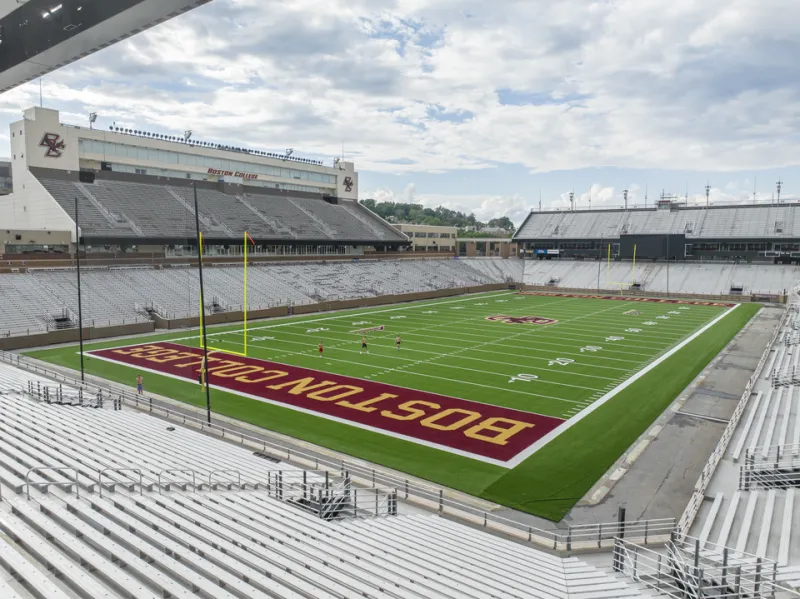
Photo: Quintinsoloviev, CC BY-SA 4.0, via Wikimedia Commons
Rivalry week is where college football gets weird. As of 14 November 2026, the late-November board is already filling with games that carry decades of grudges, campus-wide anxiety, and announcers yelling about toughness. On K89Bet Live, the live odds will move fast. Your job is not to move faster. Your job is to figure out which moves are information and which are just noise.
The rivalry-week premium is real, but it is not always predictive
Emotion is real. Familiarity is real. Weather is real. What is not real is the idea that a team trailing 10-0 after one quarter is suddenly a lock because it cares more. Live markets love to overreact to early scores in these games because the crowd reacts, the broadcast reacts, and the group chat reacts. The line does not always need to.
Rivalry games also produce strange game plans. A coordinator who has been saving a trick play for eleven months finally calls it. A heavy underdog empties the playbook. A favorite comes out tight and punts twice. None of that automatically means the pregame read was wrong. It means the first fifteen minutes are a terrible sample size wearing a very loud jacket.
The fast-start test: real drive or matchup noise?
When a team scores on its opening possession, ask three questions before you touch the live line.
- Was the drive explosive or methodical? A 75-yard touchdown on one busted coverage is different from a twelve-play march that converted three third downs.
- Did the defense make a mistake, or did the offense earn it? Missed tackles and blown assignments regress. Clean protection and open receivers might be a real matchup problem.
- Did the scoring team get the ball first? Opening-drive points are partly a scheduling artifact. The other side has not had a possession yet.
If the answer points to fluky explosives, the live market may be offering a better price on the team that just punted than the team that just scored. If the answer points to a repeated structural issue — a backup corner getting picked on, a defensive line getting pushed around — then the fast start is closer to real information.
Weather is a live market, not a footnote
Late November is not just a calendar page. It is a playing condition. Wind affects deep passes and extra points. Rain affects grip, snaps, and turnovers. Cold affects everything that requires feeling in your fingers. A 14-0 first quarter in a 25 mph wind is not the same as a 14-0 first quarter in a dome.
Live totals are especially vulnerable to weather overreactions. An early touchdown does not cancel a bad passing forecast. But do not automatically bet under in snow, either. Sloppy conditions can create short fields, fumbles, and defensive scores. The safer read is to identify which team’s offense is most weather-dependent, then watch how the play-calling adjusts. If a run-heavy team is moving the ball and the clock is churning, the live total may still be too high. If both teams are throwing into a wind tunnel, the market may be slow to catch up.
Quarterback news and the pause button
College football injury information is less transparent than the NFL version. A starter can be listed as questionable, take warmups, and then disappear after the first series. When that happens, live markets often freeze. Respect the freeze. A paused market is not an invitation; it is a warning that the price you saw is stale.
Wait for the repricing. Check the sideline report, the backup’s first few throws, and whether the offense changes shape. A mobile quarterback who limps changes the run game. A pocket passer with a bad shoulder changes the downfield menu. If the market reopens and the line has moved two scores, do not chase it just because you missed the first move. There will be another live market in the second half.
Clock rules are the quiet line movers
Since the NCAA tightened its clock rules, first downs can keep the game moving in a way that compresses possessions. Fewer snaps mean fewer chances for a trailing team to erase a lead. That matters in rivalry games because leads feel safer than they look on television.
Watch tempo, not just score. A team that snaps the ball with 25 seconds on the play clock is playing a different game than a team that snaps with 8. If a favorite leads by two scores and is content to bleed clock, the live second-half total may be overpriced. If an underdog plays fast and the favorite keeps throwing incomplete passes, the game can turn into a possession race. Live spreads and totals sometimes lag that adjustment by a series or two.
Key numbers still matter when the board is on fire
Live betting does not suspend the math. The numbers 3, 7, 10, 14, and 17 still frame the game. A live line that crosses from -3.5 to -7.5 after one touchdown is not just moving; it is jumping over a key number. That jump can create value on the other side, or it can signal that the market believes the matchup has changed.
The trick is separating score effects from information effects. If the favorite scored on a pick-six, the line move is mostly score. If the favorite scored on a 90-yard drive while the underdog lost its middle linebacker, the move may be information. Do not buy half points just because they look cheap. Buy them when the number actually matters and the price makes sense.
A practical live-betting routine for chaos week
Before kickoff, write down four things: the weather forecast, each team’s tempo, the quarterback situation, and the key numbers you care about. During the game, watch the first ten minutes without betting. Set price alerts instead of staring at the screen. If the live line hits your number, act. If it does not, pass.
Rivalry week is emotional by design. The crowd is loud, the broadcast is dramatic, and the live odds are built to move with all of it. K89Bet Live is a useful place to watch those moves, but the discipline has to come from you. Chaos is a condition, not a strategy. Bet the information, not the adrenaline.